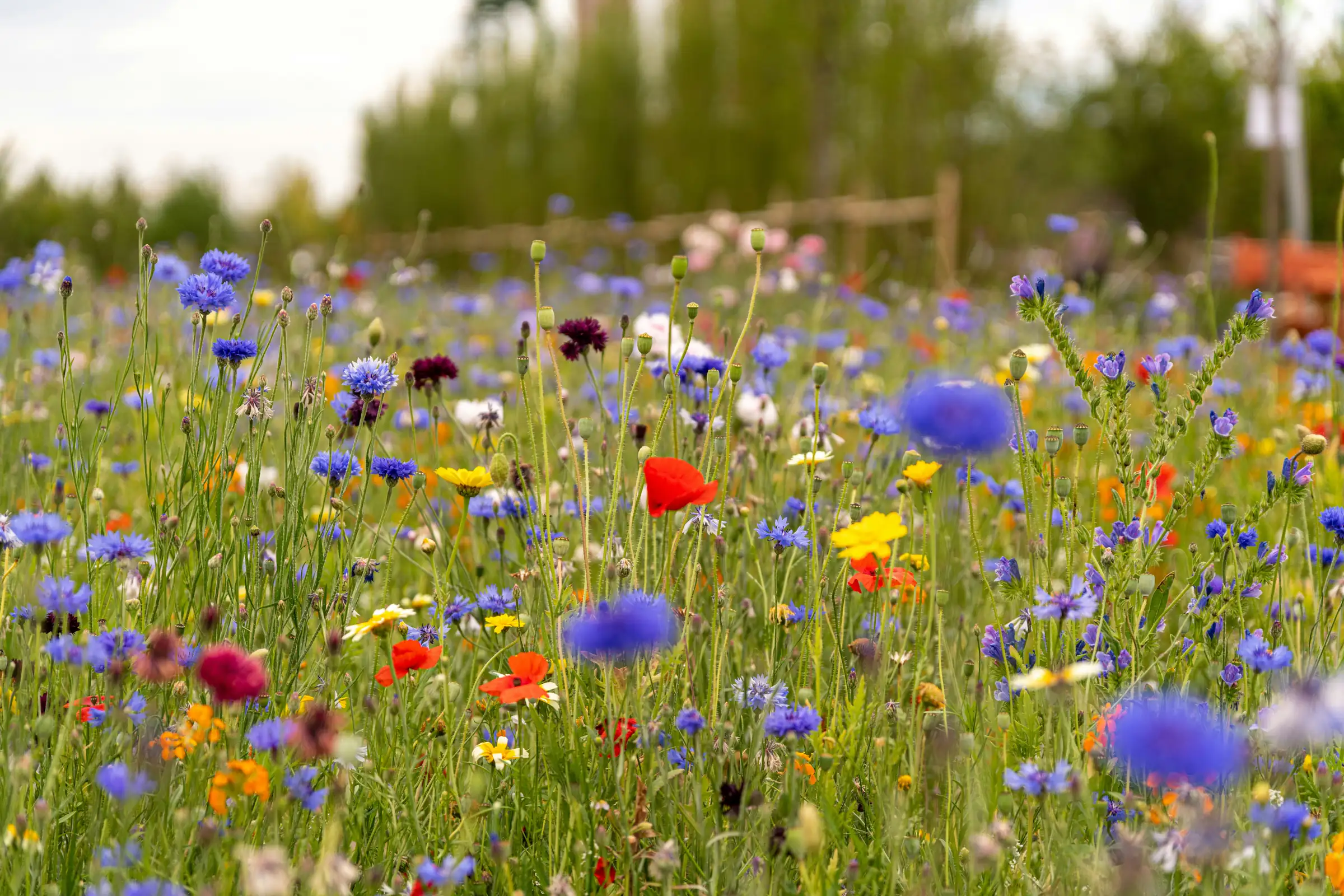
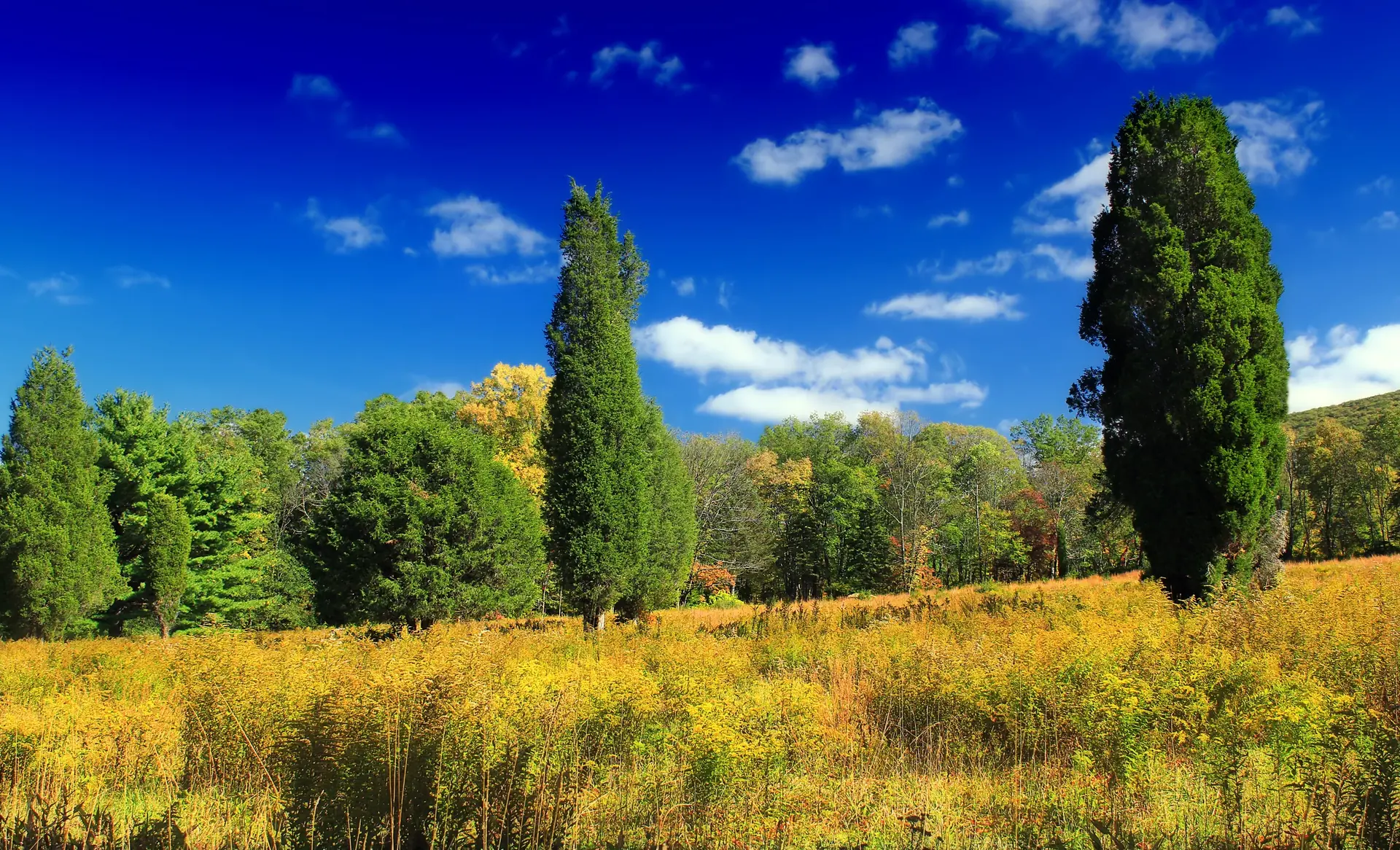
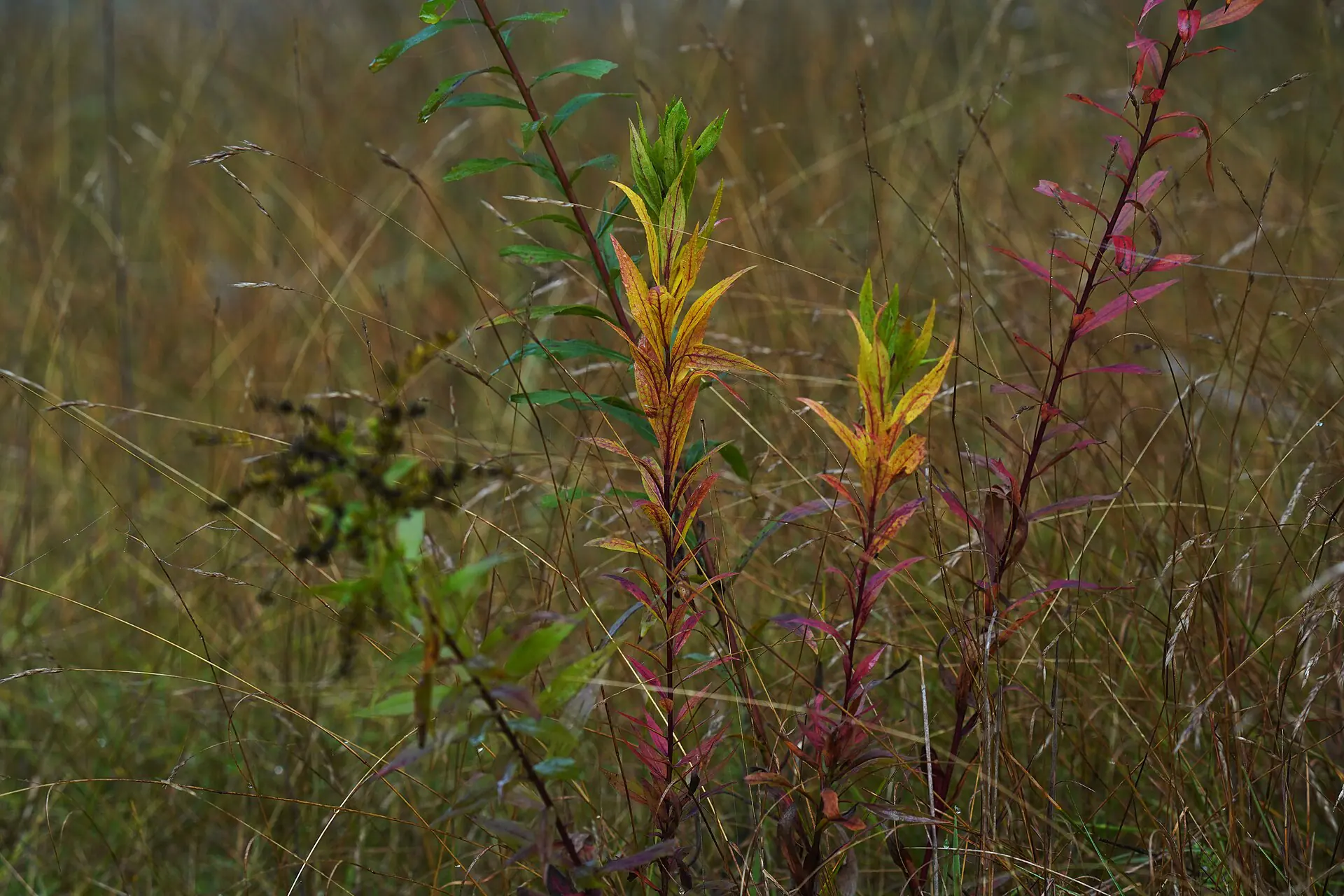
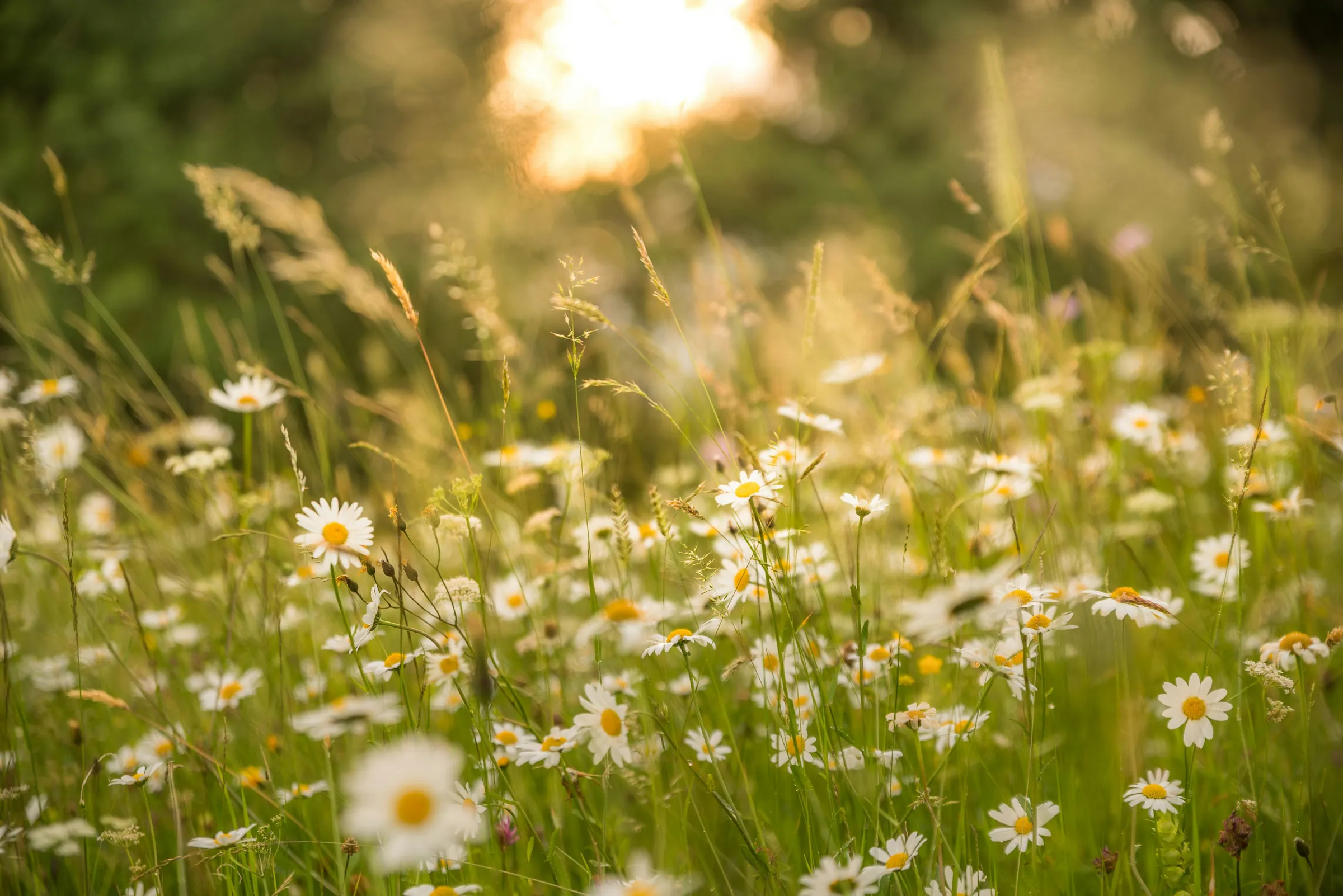
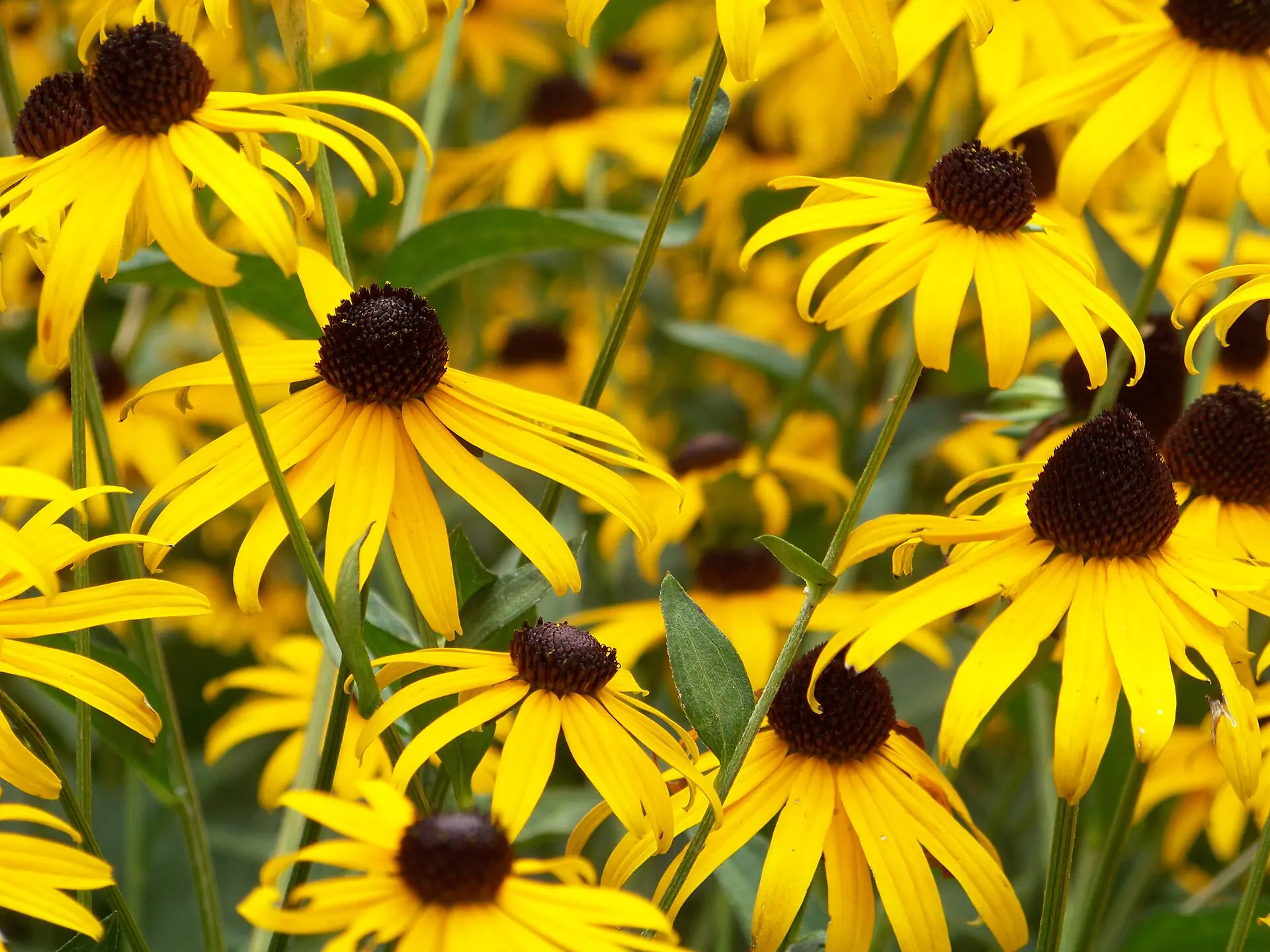
Wide-angle meadow at golden hour, Connecticut, native wildflowers

A DOCUMENTARY FILM · 2026

The World's Best Office

In Minnesota, 42,000 homeowners applied to replace their lawns with native meadow. In Pennsylvania, the same program was oversubscribed by 300 percent. This is the story of the most resource-intensive landscape in America — and what comes back when we let it go.

Become a Founding Partner

Not an environmental argument. A common-sense upgrade.

The traditional American lawn is the most resource-intensive and least productive landscape in the country. A homeowner spends roughly twenty thousand dollars per acre over twenty years to maintain it. A native meadow costs three thousand over the same period, with no irrigation, no chemicals, and almost no weekly labor.

The World's Best Office follows this movement at its most vivid — through the gardens of Sleepy Cat Farm, a thirteen-acre estate in Greenwich, Connecticut, the science of leading botanical institutions, and the homeowners who made the change and never looked back. It is not an environmental lecture. It is the story of a common-sense upgrade, told with cinematic ambition.

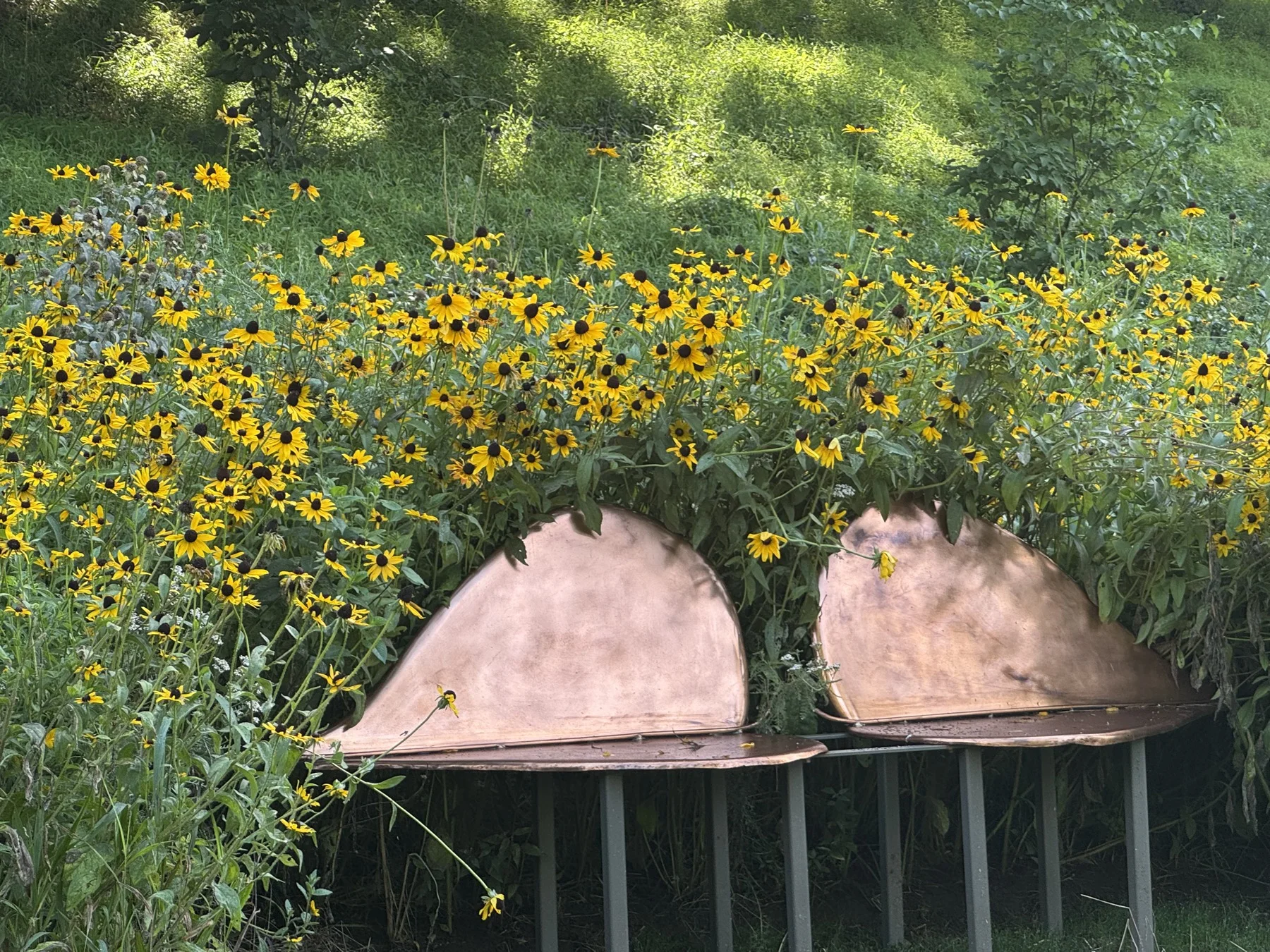
Meadow Project, Litchfield County, Connecticut — native planting in progress

Impact statistics

40M+

acres of lawn in America — more than all food crops combined

$20K→$3K

per acre over 20 years — lawn vs. native meadow

10×

more pesticides per acre on lawns than on farmland

Statistics and data provided by the Tallamy Lab at the University of Delaware.

The Film

Status
In Production — 2026
Runtime
12–15 minutes
Director
Wylie Overstreet
Producer
Nick Lyon
Writer
Mel Finn
Created by
William Sweet
Production
Painted Wolf Pictures × BirdStory
Sleepy Cat Farm gardens, Greenwich, Connecticut — native meadow planting

Where the film is set

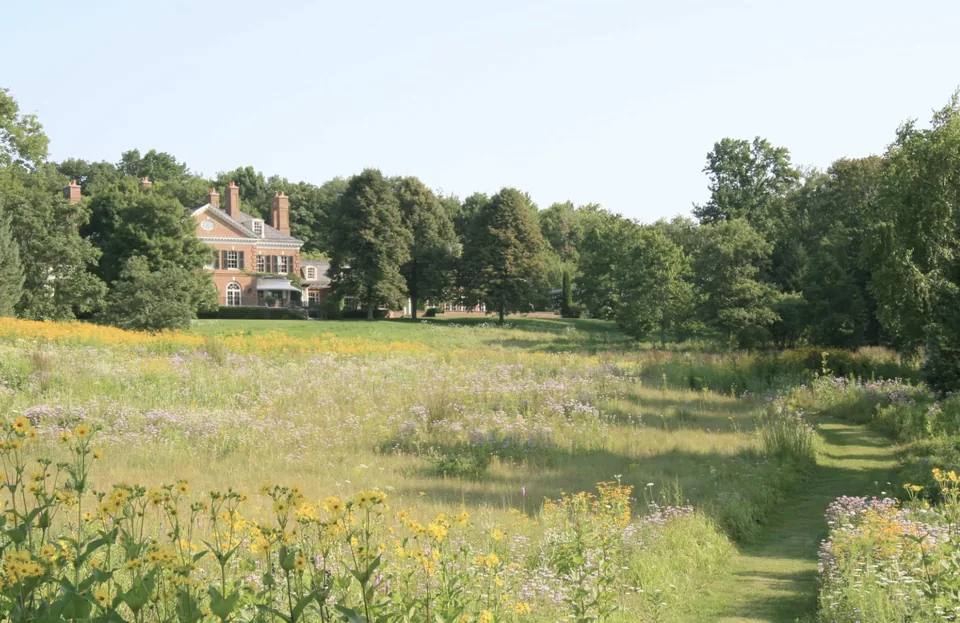
Sleepy Cat Farm is a thirteen-acre estate in Greenwich, Connecticut — a model for integrating elite landscape architecture with sustainable land management. Designed in collaboration with Charles J. Stick, the property blends European and Asian garden influences with a productive organic farm and thriving native pollinator habitat. Through its partnership with The Garden Conservancy, it serves as an educational hub, hosting public tours and workshops on native wildflower propagation.

The Team

Nick Lyon, producer

Producer

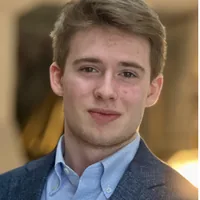
Nick Lyon

Director of Netflix's Our Oceans; co-creator of Prehistoric Planet

Nick directed Netflix's Our Oceans, narrated by President Obama, and co-created Prehistoric Planet for Apple TV+ alongside Jon Favreau. He spent four years directing the BBC's Dynasties: Painted Wolf, which won Best Behavioral Film at Jackson Hole. Over a twenty-five-year career his work has ranged from forest nomads in Sumatra to wolves on the Arctic tundra.

Wylie Overstreet, director

Director

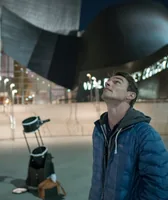
Wylie Overstreet

Creator of To Scale: The Solar System

Wylie is a filmmaker whose visual storytelling has reached tens of millions worldwide. He created the To Scale series, including the viral To Scale: The Solar System, built across a seven-mile stretch of Nevada desert. His work has been featured by The Atlantic, The Guardian, Scientific American, and PBS.

Mel Finn, writer

Writer

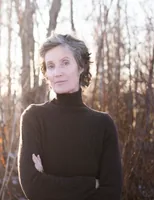
Mel Finn

Novelist (The Gloaming, The Hare); co-founder of BirdStory

Melanie is an award-winning novelist — The Gloaming, The Underneath, The Hare — and the co-founder of BirdStory. As writer and producer of the Stories to Save Us series, she brings a literary sensibility to documentary filmmaking, exploring how we mythologize landscapes and how those myths shape the way we treat the land.

William Sweet, creator

Creator

William Sweet

Creator of the American Roots Act

William is the creator of the American Roots Act, a bipartisan legislative initiative to scale native meadow restoration through tax incentives. He has collaborated with Senator Richard Blumenthal, Senate Majority Leader Bob Duff, and Representative Tom O'Dea, and has been invited to participate in federal Farm Bill discussions.

The conservation community is already here.

  • Homegrown National Park
  • Tallamy Lab, University of Delaware
  • University of Connecticut
Ryan Dressler in Ohio

Ryan Dressler

Ryan Dressler runs the numbers for a living. He converted fifty acres in Ohio, and six years later the fireflies returned, along with the Baltimore orioles and a pair of trumpeter swans. As he puts it: the first half of his life was spent lobbying for impact investing, and he would like to spend the second half lobbying for nature.

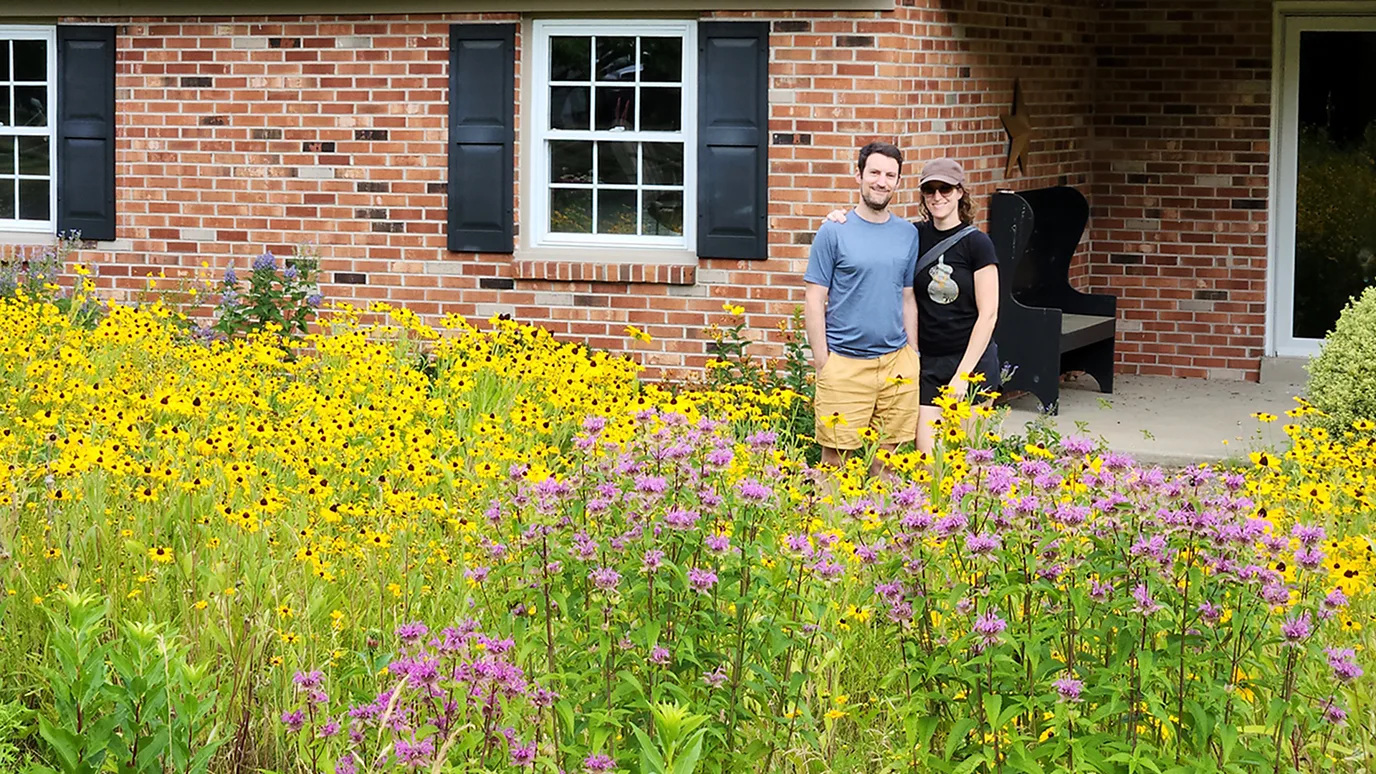
Sara Weaner Cooper's front yard meadow in Pennsylvania

Sara Weaner Cooper

Sara converted the front lawn of her first house in Pennsylvania. She spent two years working with the existing turf rather than tearing it out, and put a small sign in the yard so the neighbors would know what was coming. One morning in May, the first partridge pea pushed through the grass.

Victor DeMasi, Connecticut meadow steward

Victor DeMasi

Victor DeMasi has counted the butterflies in his Connecticut meadow every Fourth of July for twenty-eight years. In the mid-nineties he counted five hundred. Last year he counted two hundred and fifty.

David Kaye at Nod Hill meadow, Connecticut

David Kaye

David Kaye did not build his meadow to make a point. The strip of land beside the brewery was going to become an eyesore, so Nod Hill turned it into the view from the beer garden and the filter for the river beside it.

Doug Tallamy, University of Delaware

Doug Tallamy

Doug Tallamy watched a bulldozer bury the pond he grew up next to when he was in the third grade. He has spent the rest of his life explaining what is lost when the ordinary living things disappear — and how quickly they return when the land is given back to them.

These are the people the film is built around. If your own land has a version of this story, we would be glad to hear it.

Become a Founding Partner

Founding Partners are credited permanently in the film and across all outreach, keep the right to share the finished film through their own channels, and join a coalition of leading conservation, scientific, and policy organizations — at no financial cost.

Founding Partner registration closes July 1, 2026.

Your information is never shared or sold.